
Secured and Dependable Intelligent Systems Lab
The Secured and Dependable Intelligent Systems (SeDIS) Laboratory is dedicated to advancing the safety, security, reliability, and trustworthiness of intelligent cyber-physical systems. Our research focuses on developing rigorous theories, methods, and tools to ensure that autonomous and interconnected systems operate dependably, even in uncertain and adversarial environments. By integrating expertise in formal methods, artificial intelligence, machine learning, cybersecurity, and control theory, we address critical challenges in system verification, runtime assurance, explainable fault diagnosis, and secure distributed intelligence, with applications in robotics, autonomous systems, edge computing, and safety-critical technologies.
Highlights

About
The Secured and Dependable Intelligent Systems (SeDIS) lab in the Department of Electrical and Computer Engineering Department of Baylor University is directed by Dr. Ernest Bonnah and located in the Baylor Research and Innovation Collaborative (BRIC) building. The SeDIS Laboratory focuses on investigating and proposing theories, methods, tools, and protocols for supporting modeling, design, formal verification and securing complex, intelligent, and dependable embedded as well as cyber-physical systems (CPS). The primary aim of SeDIS lab is to enhance the quality of service, reliability, safety, and security of complex computing systems.
Our Research
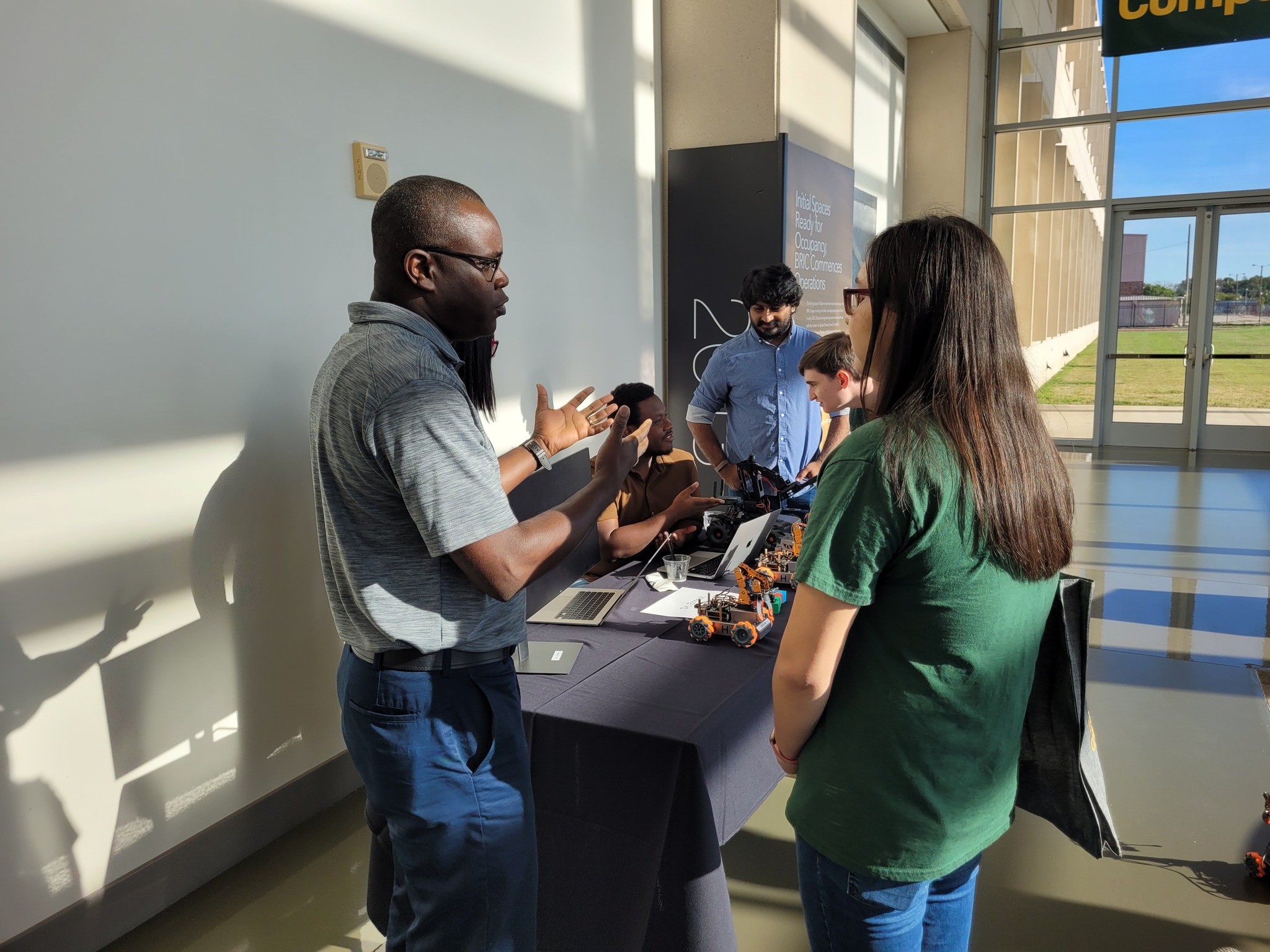
Our interdisciplinary research spans three core areas:
-
Formal Verification & Cyber-Physical Systems: Developing rigorous mathematical frameworks and verification techniques to establish correctness, safety, and reliability guarantees for complex cyber-physical and learning-enabled systems.
-
Explainable AI for Robotic and Autonomous Systems Failures: Advancing explainable and trustworthy AI techniques to detect, diagnose, and identify the root causes of failures in robotic and autonomous systems, enabling more transparent and dependable decision-making.
-
Security and Privacy Preservation of Internet of Autonomous Things and Edge/Network Systems: Designing secure, privacy-preserving, and resilient architectures and learning algorithms to protect interconnected autonomous devices, distributed intelligence, and edge computing systems against evolving cyber threats.
Through these research directions, we aim to bridge the gap between intelligent system capabilities and their dependable operation in real-world environments, with applications in robotics, autonomous systems, connected infrastructure, and other safety-critical technologies.
Our Projects
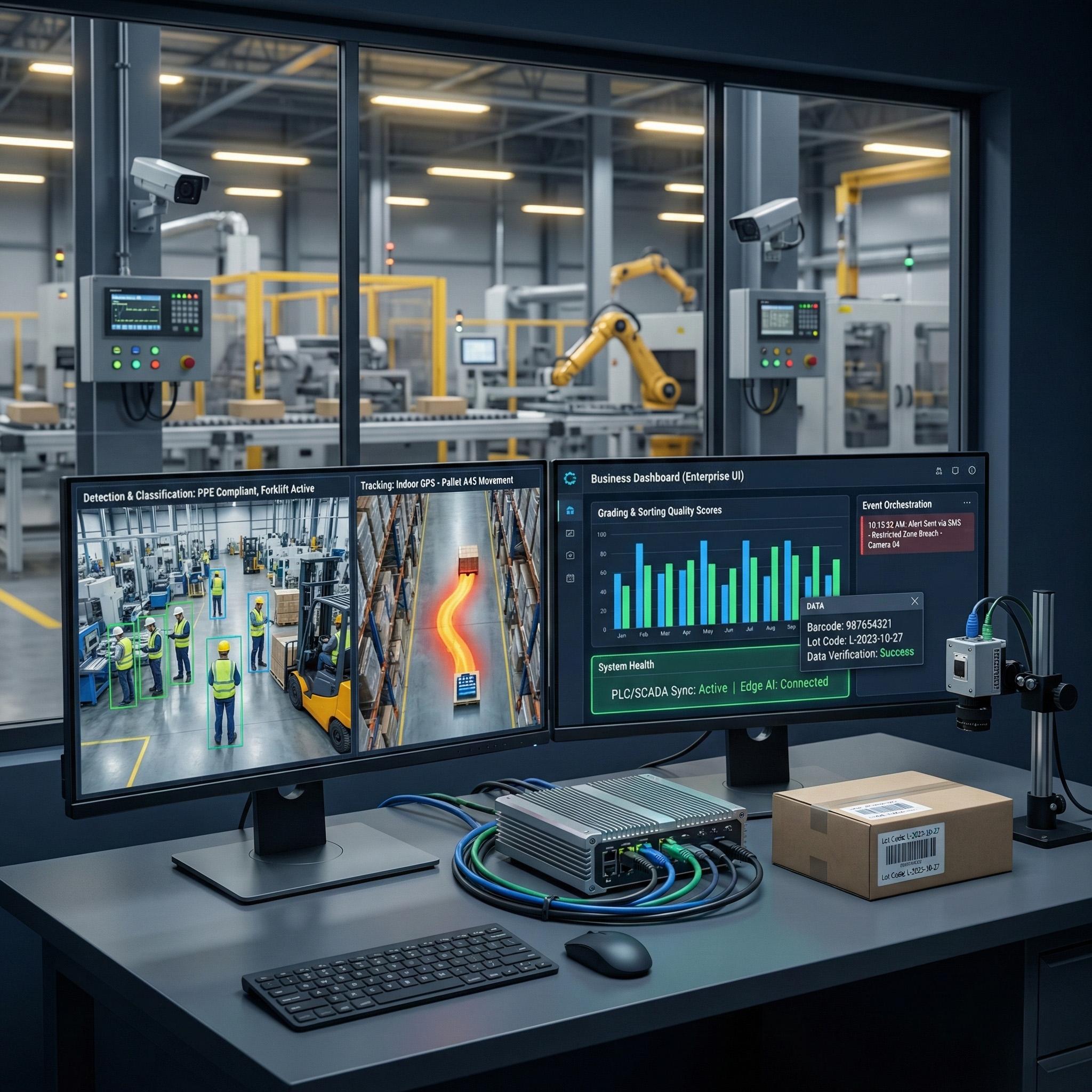
At the SeDIS Lab, our research projects address fundamental challenges in ensuring the safety, security, and dependability of intelligent cyber-physical systems. We develop innovative theories, algorithms, and practical tools that advance formal verification, trustworthy artificial intelligence, explainable fault diagnosis, and cybersecurity. Our projects combine theoretical foundations with experimental validation to address real-world challenges in robotics, autonomous systems, edge computing, and other safety-critical applications.
Explore our research projects below to learn more about their objectives, technical approaches, and expected contributions.

Our Team
The SeDIS Lab brings together a diverse team of researchers and students passionate about advancing the safety, security, and dependability of intelligent systems. Our team combines expertise in formal methods, artificial intelligence, cybersecurity, and cyber-physical systems to tackle challenging research problems through collaboration and innovation. We foster an inclusive and supportive research environment that encourages creativity, critical thinking, and professional growth while preparing the next generation of researchers and engineers.